Pirate Rubber Duck: A Designer’s Review for Boutique Sweatshirts
As an embroidery designer who has spent years refining digitizing techniques for small clothing brands, I approach every new machine embroidery design with a critical eye. It is not just about whether the image looks cute on a screen; it is about how it translates to fabric, how it holds up in the wash, and whether it elevates the perceived value of the garment. Recently, I evaluated the Pirate Rubber Duck design for a potential limited drop in a boutique sweatshirt collection. The concept is undeniably playful, merging the whimsical nature of bath time toys with the adventurous spirit of Pirates. For Etsy sellers and handmade business owners looking to differentiate their inventory, this design offers a unique narrative hook that stands out in a saturated market.
First Impressions and Aesthetic Mood
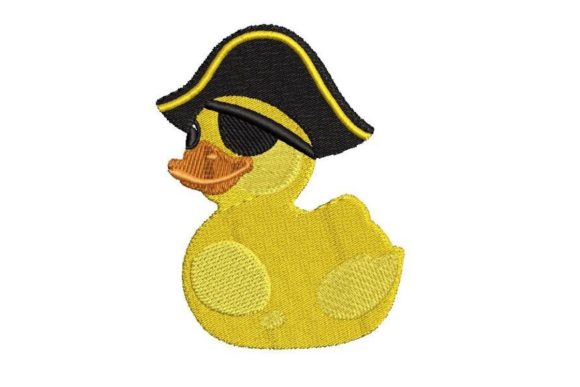
The initial visual impact of the Pirate Rubber Duck is charming and unexpected. In the world of custom apparel, customers are often tired of generic graphics. This design bridges the gap between childish nostalgia and modern, ironic humor. When reviewing the layout, I noticed a balance that suggests a professional touch. The character likely features bold outlines and distinct color blocks, which are essential for maintaining clarity on textured fabrics. The mood is decidedly playful yet bold, making it suitable for a wide demographic ranging from children’s clothing to adults who appreciate quirky, decorative elements in their wardrobe.
For a boutique brand, the aesthetic versatility is key. This is not just a kids' motif; when scaled correctly, it becomes a statement piece. The juxtaposition of a rubber duck dressed as a pirate creates a story. It feels casual but curated, perfect for the current trend of cozy, expressive seasonal apparel. As a digital embroidery file, its success relies on how well the digitizer has managed the transition from vector art to stitch paths, ensuring that the "pirate" accessories like hats or eye patches do not become muddy clusters of thread.
Application on Sweatshirts and Hoodies
When considering sweatshirt embroidery, fabric texture plays a massive role. Sweatshirts, particularly high-quality cotton blends, have a looped interior and a smooth or brushed exterior. The Pirate Rubber Duck needs to sit atop this texture without sinking in. I envision this design working exceptionally well on neutral sweatshirts. A heather grey or oatmeal-colored hoodie provides the perfect canvas, allowing the vibrant thread colors of the duck and its pirate gear to pop without competing with the garment dye.
For dark fabric, such as navy or black hoodies, contrast is everything. If the design includes light yellows or whites, it will stand out sharply. However, if the palette is muted, one might need to adjust the thread colors or add a satin stitch border to define the edges against the dark background. On pastel colors, the design takes on a softer, more feminine or nursery-like appeal, which aligns perfectly with the description’s suitability for children’s clothing. The oversized hoodie trend also benefits from larger hoop placements, allowing the Pirate Rubber Duck to be centered prominently on the chest or even expanded for a back design.
Placement Strategies for Maximum Impact
- Chest Placement: Ideal for a standard 4x4 or 5x7 hoop size. This keeps the design intimate and readable, perfect for everyday wear.
- Sleeve Accents: A smaller version of the duck could work as a sleeve patch, adding a subtle detail that encourages closer inspection.
- Back Designs: For a bold statement, scaling up the design for a larger hoop can turn the sweatshirt into a centerpiece outfit, ideal for lifestyle product photography.
Technical Considerations for Commercial Use
From a technical standpoint, preparing the Pirate Rubber Duck for production requires attention to detail. One of the primary concerns with any embroidery file is stitch density. If the density is too high, the fabric may pucker, especially on thinner cotton blends. If it is too low, the backing material might show through, ruining the finished product. Since this design is intended for various fabric products like towels and bath supplies, it likely has a robust structure. However, for sweatshirts, I recommend testing on a scrap piece of the exact fabric weight you intend to use.
Stabilizer choice is equally critical. For fleece-backed sweatshirts, a cut-away stabilizer is usually preferred to provide long-term support and prevent distortion after washing. Tear-away stabilizers might suffice for lighter fabrics but could leave residue or fail to support the weight of the stitches over time. Additionally, checking the small-size readability is vital. If a customer orders a child’s size 2T, the details of the pirate hat must remain distinct. If the design loses definition at smaller scales, it may not be suitable for the full range of children’s clothing mentioned in the product description.
It is important to note that while the product description states this machine embroidery design comes with multiple embroidery file formats, it does not specify exact stitch counts or recommended hoop sizes. Before launching a commercial embroidery run, always verify these details in the included documentation. Ensuring the file is compatible with your specific machine brand and hoop capacity is a non-negotiable step for any professional embroiderer.
Elevating Brand Identity and Product Value
For an Etsy seller or small shop product, the right design asset can significantly boost buyer trust and visual recognition. The Pirate Rubber Duck is not just a graphic; it is a branding tool. It signals that the brand is fun, creative, and attentive to detail. When used in printable mockup previews for online listings, this design can attract clicks due to its unique charm. It differentiates a handmade product from mass-produced alternatives by showcasing the texture and quality of real stitching.
Customer engagement often hinges on storytelling. A sweatshirt featuring this design invites questions and comments, fostering a community around the brand. It appeals to parents looking for durable, cute clothing for their kids, as well as adults seeking nostalgic, humorous apparel. By offering this as part of a cohesive collection, perhaps paired with other nautical or whimsical motifs, a boutique brand can create a strong visual identity. The durability of the embroidery ensures that the design remains vibrant wash after wash, reinforcing the perception of quality and justifying a higher price point.
Final Verdict for Designers
In conclusion, the Pirate Rubber Duck is a versatile and engaging addition to any digital embroidery library. Its suitability for towels, bath supplies, and children’s clothing suggests a flexible digitizing approach that prioritizes clarity and durability. For sweatshirt embroidery, it offers a fresh alternative to standard logos or text-based designs. By carefully selecting thread colors, using appropriate stabilizers, and strategically placing the design, embroiderers can create high-value, commercial-grade apparel that resonates with customers. Whether you are decorating a single custom apparel piece or preparing a large batch for a boutique launch, this design holds the potential to become a bestseller, provided it is executed with professional precision.