Mousepad Embroidery: A Designer’s Review
As a designer who has spent countless hours staring at digitizing software and watching needles fly across fabric, I have learned that not every digital file translates well into thread. When I first pulled up the Mousepad machine embroidery design, my initial reaction was one of cautious optimism. The preview showed a cute applique style, which immediately signaled a specific set of challenges and opportunities. For those of us in the craft business, whether you are an Etsy seller, a boutique owner, or a hobbyist making personalized gifts, understanding how a design behaves on real fabric is far more important than how it looks on a screen.
First Impressions and Visual Mood
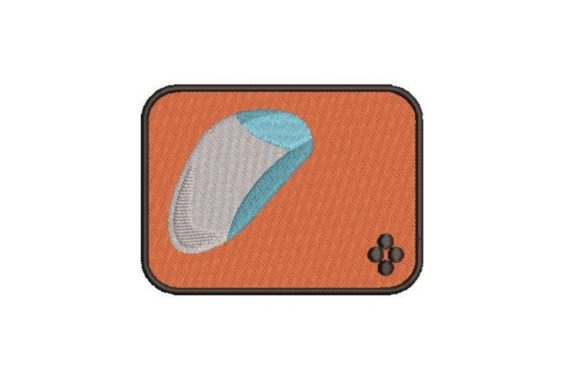
The Mousepad design carries a playful, gamer-centric mood. It is not overly complex, which is often a blessing for production efficiency. The layout suggests a focus on bold shapes rather than intricate micro-details. This is crucial because, in the world of embroidery, complexity can sometimes lead to thread breaks or puckering if the stitch density is not managed correctly. The visual personality here is friendly and approachable, making it an ideal candidate for items meant to evoke nostalgia or fun, such as holiday gifts for gamer friends or custom accessories for a streaming setup.
What stands out immediately is the potential for texture contrast. Since this is described as an applique design, it relies on the interplay between the base fabric and the added cloth pieces. This technique allows for a cleaner finish on larger areas compared to a full fill stitch, which can feel heavy and stiff. For a designer, this means the final product will likely have a softer hand feel, a significant selling point for wearable items or frequently handled objects like tote bags.
Real-World Application: The Gamer Gift Scenario
To truly evaluate Mousepad, I imagined a real-life scenario: creating a custom embroidered tote bag for a client who runs a small gaming cafe. She wanted merchandise that felt premium but durable. Using this design on a heavy canvas tote would work beautifully. The applique method would sit flat against the textured fabric, avoiding the bulk that a dense satin stitch might create. The bold lines of the design would remain clear even from a distance, enhancing brand recognition and visual appeal.
Alternatively, consider sweatshirt embroidery. A hoodie is a staple in the gaming community. Placing this design on the chest or sleeve requires careful attention to the stretch of the fabric. Because the design uses applique, it is less likely to distort the knit fabric compared to a high-density fill. However, one must ensure the stabilizer used is cut-away rather than tear-away to provide long-term support for the garment during washing and wearing. This attention to detail builds customer trust and ensures the handmade product lasts.
Navigating Fabric and Hoop Constraints
While the design is versatile, it is not without its limitations. As an experienced reviewer, I must point out where caution is needed. If you plan to use Mousepad on thin or delicate fabrics, such as silk or lightweight rayon, the weight of the applique fabric and the securing stitches could cause pulling. In these cases, testing on scrap fabric is non-negotiable. You need to see how the thread colors interact with the base material and whether the stitch density causes any puckering.
Curved surfaces present another challenge. If you are embroidering caps or hats, the rigid nature of some applique edges might not conform smoothly to the curve of the crown. It is essential to check the hoop size compatibility. If the design is too large for a standard cap frame, you may need to resize it, which can alter the stitch density and potentially cause coverage issues. Always review the design in your software before sending it to the machine.
Dark fabrics require special consideration for thread color contrast. Since this is a cute, likely colorful design, ensuring that the outline stitches (often running stitch or satin stitch) pop against a black or navy background is vital for clarity. A lack of contrast can make the design look muddy and unprofessional, reducing the perceived value of the finished product.
Commercial Viability and Brand Consistency
For small shop owners and digital product sellers, the commercial viability of Mousepad hinges on its versatility and ease of production. The fact that it comes with multiple embroidery file formats is a significant advantage, allowing compatibility with various machines. However, before listing this as a design asset or using it in commercial embroidery projects, you must confirm the licensing terms. Can you sell finished items? Can you include the digital file in a bundle? These legal details are as important as the aesthetic ones.
From a branding perspective, this design fits well within a niche focused on gaming, tech, or youthful creativity. It adds a layer of personality to plain items, transforming a simple pillow cover or kitchen towel into a conversation piece. For Etsy sellers, this uniqueness drives buyer engagement. Customers are often looking for that perfect personalized gift, and a well-executed applique design signals quality and care.
Practical Designer Notes for Best Results
To get the most out of this embroidery project, follow these practical steps:
- Test on Scrap Fabric: Always run a test stitch-out on the same type of fabric you intend to use for the final product. This helps you identify any tension issues or registration errors.
- Check Thread Color Contrast: Use high-contrast threads for the outlining stitches to ensure the design remains crisp and visible, especially on dark or textured fabrics.
- Review Stitch Density: While applique is generally lighter, check the density of the tack-down stitches. If they are too dense, they may perforate delicate fabrics.
- Confirm Hoop Size: Ensure your machine’s hoop can accommodate the design dimensions without needing to re-hoop, which can lead to misalignment.
- Use Proper Stabilizer: Match the stabilizer to the fabric. Cut-away for knits and stretchy materials, tear-away for stable wovens. This prevents distortion and ensures longevity.
- Inspect Small Details: Zoom in on the digital file to check for any tiny elements that might not stitch out cleanly. Simplify if necessary.
- Mockup in Black and White: This helps you evaluate the shape and balance of the design without the distraction of color, ensuring the composition is strong.
In conclusion, the Mousepad embroidery design offers a charming and practical option for creators looking to add a gaming-themed touch to their products. Its applique nature makes it suitable for a wide range of items, from tote bags to sweatshirts, provided that proper technical precautions are taken. By understanding the interplay of fabric texture, stitch density, and hoop constraints, you can produce a high-quality finished product that delights customers and enhances your brand’s reputation. Whether you are creating a holiday gift or stocking your small shop, this design has the potential to be a standout item in your portfolio.