Tree Limbs: A Designer’s Review for Real Embroidery Projects
As an embroidery designer who has spent countless hours hooping, stitching, and unpicking, I approach every new machine embroidery design with a critical eye. It is not enough for a pattern to look pretty on a screen; it must survive the mechanical reality of the needle hitting fabric. Recently, I evaluated Tree Limbs, a nature-themed design from the Forest category, to determine its viability for client work and small shop merchandise. This review breaks down how this digital asset performs when translated into thread, focusing on practical application rather than marketing hype.
First Impressions and Visual Personality
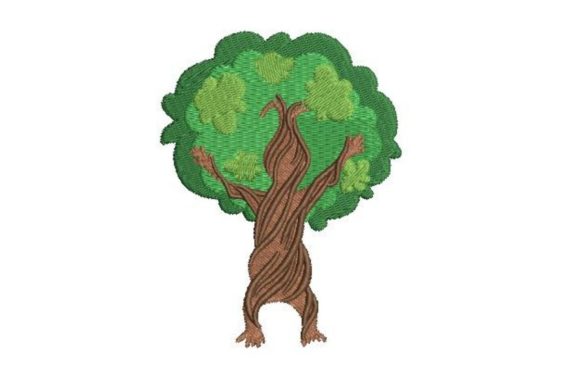
The immediate appeal of Tree Limbs lies in its organic simplicity. Unlike overly complex botanical illustrations that can turn into a tangled mess of thread breaks, this design relies on clean lines and balanced negative space. The mood is calm and grounded, evoking the quiet stillness of a woodland edge. For designers, this visual personality is crucial because it offers versatility. It does not scream for attention but rather complements the item it adorns.
When viewing the preview files, I noticed the layout favors horizontal expansion, which makes it ideal for wide hoops or chest placements. The detail level is moderate, avoiding microscopic stitches that often cause registration issues on home machines. This suggests a design built for reliability, a trait highly valued by both hobbyists and professional Etsy sellers who cannot afford wasted materials on failed stitches.
Real-World Application: The Custom Tote Bag Test
To truly understand the value of an embroidery file, you must imagine it on a specific product. I visualized Tree Limbs stitched onto a heavy canvas tote bag, a staple item for many craft businesses. The natural theme aligns perfectly with the eco-friendly aesthetic often associated with reusable bags. In this scenario, the design would likely utilize a combination of fill stitch for the thicker branches and running stitch for the finer twigs.
On a textured fabric like canvas, the definition of the limbs needs to be sharp. If the stitch density is too low, the fabric weave will show through, making the design look sparse. If it is too high, the bag may pucker. Based on the visual weight of Tree Limbs, it appears robust enough to hold its own on sturdy materials without requiring excessive underlay, which keeps the finished product flexible and durable. This makes it a strong candidate for boutique branding or farmers' market merchandise.
Apparel and Personalized Gifts
Beyond accessories, this design shines in custom apparel. Imagine a heather grey sweatshirt with the tree limbs embroidered subtly over the heart or across the upper back. The organic shapes soften the look of the garment, adding a touch of artisanal charm that mass-produced prints lack. For baby embroidery projects, such as a neutral-toned onesie or a nursery blanket, the gentle curves of the branches provide a soothing visual element. Parents often seek unique, handmade items for gifts, and a well-executed nature motif conveys thoughtfulness and care.
However, placement matters. On curved surfaces like caps or fitted hats, the horizontal spread of the limbs might require careful digitizing adjustments to prevent distortion. While the base design is solid, applying it to a structured cap requires testing to ensure the branches do not warp around the crown's curvature.
Technical Considerations for Stitching Success
No design is universal, and Tree Limbs requires thoughtful preparation. Here are key technical factors to consider before loading the file into your machine:
- Fabric Texture and Weight: This design likely performs best on medium to heavy-weight fabrics. On thin or stretchy materials, such as lightweight jersey or silk, the tension from the stitches could cause puckering. Always use an appropriate stabilizer—cut-away for stretchy knits and tear-away for stable wovens.
- Thread Color Contrast: The clarity of the limbs depends heavily on thread choice. On dark fabrics, using a metallic or light-colored thread can make the design pop, but you must ensure the digitizing accounts for potential coverage issues. Test the design in black and white mockups first to verify that the details remain visible regardless of color.
- Stitch Density and Detail: Examine the smaller twigs. If they are rendered with single runs of satin stitch or fine running stitches, they may be prone to breaking if the thread quality is poor. Use high-quality polyester or rayon thread to minimize friction and breakage during high-speed stitching.
- Hoop Size Compatibility: Ensure your hoop size accommodates the full width of the design. Crowding a large design into a small hoop can lead to misalignment. Check the specific dimensions provided with the digital embroidery file to confirm it fits your machine’s capabilities.
Commercial Viability and Brand Consistency
For craft business owners, consistency is key to building trust. Tree Limbs offers a professional aesthetic that elevates perceived value. When customers see clean, crisp stitching on a handmade product, they associate it with quality. This design can serve as a signature element for brands focused on nature, sustainability, or rustic elegance. It works well for holiday embroidery themes, particularly in autumn or winter collections, where bare branches evoke seasonal change.
Moreover, the versatility of the design allows it to be used across various design assets. It can be featured in printable mockup previews for online listings, helping potential buyers visualize the final result. Whether used for embroidered patch creation or direct-to-garment embellishment, the design maintains its integrity, supporting a cohesive brand image.
Final Verdict and Practical Advice
Tree Limbs is a reliable addition to any designer’s library, particularly for those specializing in nature-inspired Embroidery projects. It balances artistic appeal with technical practicality, making it suitable for both novice makers and experienced professionals. However, success depends on proper execution.
- Test on Scrap Fabric: Never stitch a new design directly on your final product. Run a test on similar material to check tension and density.
- Verify File Formats: The product description notes multiple formats for various machines. Confirm that the specific file type matches your embroidery software and hardware to avoid conversion errors.
- Check Licensing Terms: Before selling finished products or using the design in commercial batches, review the license agreement. Ensure it permits commercial use for physical goods.
- Inspect Small Details: Zoom in on the digitized file to check for jump stitches or unnecessary trims that could slow down production or affect finish quality.
In conclusion, Tree Limbs offers a fresh, organic aesthetic that translates well into tangible goods. By respecting the technical requirements of machine embroidery and choosing the right materials, you can create stunning personalized gifts and profitable small shop products that resonate with customers seeking authentic, handcrafted quality.