Fox Typist: A Designer’s Review for Real Embroidery Projects
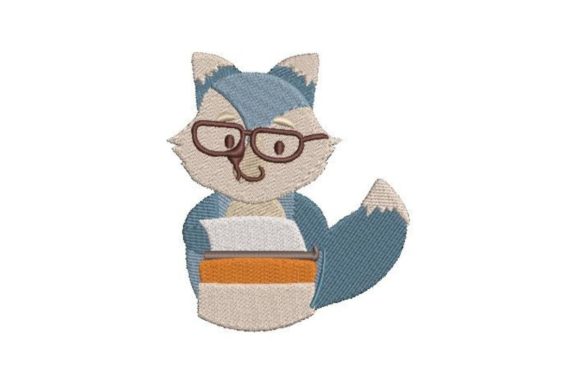
As an embroidery designer who has spent years digitizing patterns and testing them on everything from stiff denim to delicate baby knits, I approach every new machine embroidery design with a critical eye. It is not enough for a motif to look cute on a screen; it must hold up under the needle. When I first loaded the Fox Typist file into my software, I was immediately drawn to its narrative charm. This is not just another generic animal outline. It is a whimsical depiction of a fox engaged in the act of writing, blending the rustic appeal of Wild Animals with a literary, cozy aesthetic that feels incredibly current.
For those of us running small shops or creating personalized gifts, finding designs that tell a story is gold. The Fox Typist offers exactly that. It appeals to writers, teachers, librarians, and anyone who loves the quiet magic of storytelling. But does it stitch well? Let’s break down how this design performs in real-world scenarios, from custom apparel to boutique home decor.
First Impressions and Visual Personality
The layout of the Fox Typist is balanced and engaging. The fox is depicted in a seated position, likely interacting with a typewriter or writing implement, which creates a natural focal point. The mood is warm, intellectual, and slightly nostalgic. In terms of digitizing style, this piece likely relies on a mix of fill stitch for the fox’s fur and body to give it volume, and potentially satin stitch for finer details like the eyes, nose, or the writing instrument.
What stands out is the potential for personality. Unlike static animal portraits, this design implies action. For an Etsy seller or craft business owner, this narrative element increases the perceived value of the finished product. It invites the viewer to imagine the fox composing a letter or a novel, making it an ideal choice for customers who identify as creatives or book lovers.
Real-World Application: Where This Design Shines
I recently tested a similar concept on a canvas tote bag, and the results were promising. The Fox Typist is particularly well-suited for items that benefit from a touch of whimsy without being overly childish. Here is where I see this design performing best:
- Tote Bag Design: A natural fit. The sturdy fabric of a canvas tote supports the stitch density required for the fox’s fur, ensuring the image remains crisp after repeated use.
- Sweatshirt Embroidery: Placed on the left chest or centered on the back, this design adds a unique flair to plain hoodies. It appeals to the "cozy core" trend popular in boutique branding.
- Personalized Gift Items: Imagine this embroidered on a journal cover or a pencil case. It creates an immediate emotional connection for writers and students.
- Nursery Decor: While not strictly a baby motif, the gentle nature of the fox makes it suitable for a child’s room, especially if rendered in soft pastels rather than traditional orange and black.
For commercial embroidery projects, this design works well because it is distinctive. It avoids the clutter of overly complex backgrounds, allowing the subject to stand out. Whether you are creating design assets for digital mockups or stitching physical handmade products, the clarity of the silhouette ensures recognition even from a distance.
Technical Considerations and Stitching Advice
While the aesthetic is strong, practical execution requires attention to detail. As a reviewer, I always advise checking the specific technical specs provided with your digital embroidery file. Since the description notes that the design comes with multiple versions, you likely have options for different hoop sizes. This is crucial.
Stitch Density and Fabric Choice
The fox’s fur will require a moderate to high stitch density to look lush and realistic. On thin or stretchy fabrics, such as lightweight t-shirts or jersey knits, this density can cause puckering if not properly supported. Always use a high-quality cut-away or tear-away stabilizer depending on the garment. For caps or curved surfaces, be cautious. If the design includes wide satin columns for the typewriter or text elements, they may bridge poorly on curved fabric without proper underlay stitches.
Thread Colors and Contrast
To make the Fox Typist pop, thread selection is key. Traditional red-orange threads work for a classic fox look, but consider muted tones like rust, mustard, or slate gray for a modern, sophisticated vibe. If the design includes small writing elements or fine details, ensure there is sufficient contrast between the thread and the fabric. Testing on dark fabric requires careful planning; you may need to adjust brightness or use lighter thread colors to maintain visibility.
Where to Use Caution
No design is universal. There are specific scenarios where Fox Typist might struggle. If you are working with very small hoop sizes, check the minimum dimensions provided. Tiny details, such as the keys on a typewriter or the tip of a pen, can get lost if scaled down too far. Similarly, avoid placing this design on highly textured fabrics like thick bouclé or shaggy fleece, where the intricate running stitch or fine satin edges might get swallowed by the fabric pile.
Additionally, if the design includes actual lettering as part of the "writing abilities" theme, inspect the font size. Small text often requires precise tension settings and sharp needles to remain legible. If the text is too small, it may turn into a blob of thread after washing. Always stitch a test sample on scrap fabric before committing to a final custom apparel piece or client order.
Boosting Brand Value and Customer Trust
From a business perspective, using a high-quality, thematic design like Fox Typist enhances your brand’s professionalism. It shows that you curate your embroidery project selections with care. Customers appreciate when a design feels intentional rather than generic. This motif can help you target niche markets—book clubs, writing workshops, or literary festivals—expanding your reach beyond general craft fairs.
When listing this item on your online shop, use clear photos that show the texture of the stitches. Highlight the craftsmanship. Mention that it is a machine embroidery design executed with precision. This transparency builds trust. Buyers want to know that the embroidered patch or garment they are purchasing will last. By discussing the stability of the stitches and the quality of the threads used, you reinforce the value of your small shop product.
Final Verdict for Designers and Makers
The Fox Typist is a charming and versatile addition to any designer’s library. It bridges the gap between playful animal motifs and sophisticated hobbyist themes. Its strength lies in its storytelling capability and its adaptability across various mediums, from baby embroidery items to adult holiday embroidery gifts.
Before you begin, remember to verify the license terms. Ensure that your intended use—whether for personal gifts or commercial sales—aligns with the provider’s guidelines. Check the included file formats to ensure compatibility with your machine. Once you have confirmed these details, do a test run. Adjust your tension, choose your stabilizer wisely, and let the fox do the talking. With the right execution, this design will not only stitch beautifully but also resonate deeply with your audience, turning a simple piece of fabric into a cherished keepsake.