Line Sketch Camera: A Designer’s Review for Craft Fair Success
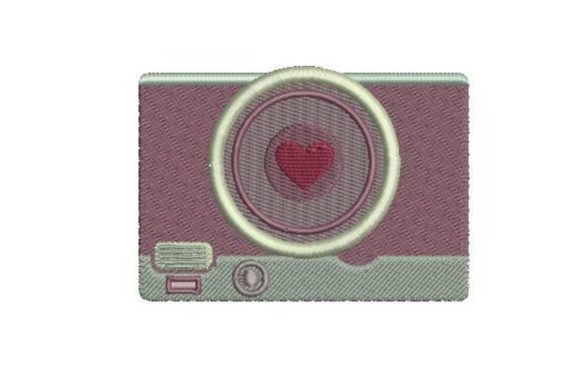
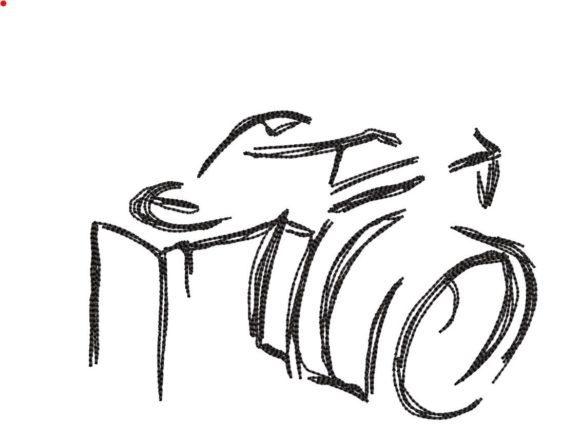
As an embroidery designer who has spent countless weekends behind a booth table, I know that the difference between a browsing customer and a buying customer often comes down to visual clarity and emotional connection. When I first loaded the Line Sketch Camera machine embroidery design into my software, my immediate thought was not just about stitch count or density, but about marketability. This is a camera sketch embroidery design, described as a one color easy and quick project for photography lovers. In the world of handmade goods, simplicity often sells better than complexity, provided the execution is crisp. Here is my professional review of how this design performs in a real-world craft fair setting.
First Impressions and Visual Appeal
The aesthetic of Line Sketch Camera leans heavily into the modern minimal trend. It does not scream for attention with loud colors or intricate shading; instead, it relies on clean lines and recognizable iconography. For a craft fair product, this is a significant advantage. Customers walking past a busy booth need to process what they are seeing in seconds. A bold, single-color outline of a classic camera is instantly readable. It feels elegant yet approachable, fitting seamlessly into both rustic farmhouse displays and sleek, modern boutique setups.
While the product category is listed under Games and the type is Embroidery, the design itself transcends niche categorization. It appeals to a broad demographic: photographers, vintage enthusiasts, travelers, and anyone who appreciates the art of capturing memories. The "sketch" style implies a hand-drawn quality, which enhances the perceived value of the handmade product. It suggests artistry rather than mass production, even though it is created via a digital embroidery file.
Product Versatility for the Weekend Warrior
When preparing a table display, versatility is key. You want designs that can be applied to various substrates without losing their charm. I evaluated Line Sketch Camera across several common craft fair items:
- Tote Bag Design: This is arguably the strongest application. A large-scale version of the camera sketch on a natural canvas tote creates an instant bestseller. It is practical, stylish, and serves as a walking advertisement for your small shop product.
- Apron Embroidery: For kitchen-focused buyers, placing this design on the bib of a linen apron adds a touch of personality. It suggests a love for documenting family meals and gatherings.
- Tea Towel Embroidery: A smaller iteration works beautifully on hemmed tea towels. However, caution is needed here regarding fabric texture. Ensure the stitch density is low enough to prevent puckering on thin cotton.
- Embroidered Patch: Because it is a one-color design, it is ideal for iron-on or sew-on patches. These are high-margin, low-effort items that appeal to younger demographics looking to customize denim jackets or backpacks.
- Caps and Pouches: The design scales well for curved surfaces like caps, provided you use the correct stabilizer. It also looks charming on small fabric pouches used for storing camera lenses or memory cards.
Production Practicality and Batch Efficiency
For an Etsy seller or a busy boutique maker, time is money. The description notes that this is a quick project, and my analysis confirms this potential. Since it is a single-color design, there is no need for thread changes, trimming jump stitches between color blocks, or complex color matching. This makes Line Sketch Camera perfect for batch production. You can hoop multiple items and run them through your machine with minimal supervision.
The fact that this machine embroidery design comes with multiple embroidery file formats means it can be used with multiple embroidery machines, from high-end commercial units to home-based hobbyist models. This accessibility allows you to scale your production based on demand. Whether you are creating a single custom order or fifty units for a holiday market, the workflow remains streamlined.
Technical Considerations for Quality Control
While the design is simple, technical precision is still required to maintain a premium look. Here are my critical notes for production:
- Stitch Density: Check the stitch density settings in your software. If the lines are too dense, they may become stiff and crack over time, especially on flexible items like tote bags. If too sparse, the fabric may show through, reducing clarity.
- Fabric Texture: Avoid using this design on highly textured towels or thick fleece unless you test it first. The fine lines of a sketch style can get lost in deep piles. Smooth cotton, linen, and canvas yield the best results.
- Thread Contrast: Since it is a one-color design, contrast is everything. Use a dark thread on light fabric or vice versa. Do not attempt subtle tonal variations; they will not read well from a distance at a craft fair.
- Stabilizer Choice: Always use the right stabilizer. For woven fabrics like aprons, a cut-away stabilizer provides longevity. For knits or stretchy materials, a tear-away might suffice for decorative purposes, but ensure it does not distort the hoop size alignment.
- Small Details: Be cautious with tiny details if you scale the design down significantly for patches. Lines may merge or break. Always stitch out a test sample on scrap fabric before committing to your final inventory.
Marketing and Digital Presence
Beyond the physical booth, consider how Line Sketch Camera performs online. For digital sellers offering this as a design asset, the simplicity makes it easy to create a printable mockup. Clean lines photograph well against neutral backgrounds, making your Etsy listings look professional and cohesive. For those selling finished products, the design’s minimalist nature allows it to pair well with other items in a bundle, such as a matching lens cap cover or a photo album sleeve.
Brand consistency is easier to maintain with such a versatile graphic. It does not clash with seasonal themes; a camera is relevant year-round. This makes it a reliable staple in your inventory, unlike festive designs that only sell during specific holidays.
Final Verdict for Commercial Embroidery
Line Sketch Camera is a strong contender for any embroidery business owner looking to expand their portfolio with low-risk, high-reward items. It balances artistic appeal with production efficiency. Before you begin full-scale production, remember to confirm commercial licensing terms if you are purchasing the digital embroidery file from a third party. Ensure you have the rights to sell the finished product.
By focusing on high-contrast fabrics, proper stabilization, and strategic placement on popular items like tote bags and patches, you can turn this simple sketch into a significant revenue stream. It is a design that respects the crafter’s time while delivering a product that customers recognize and appreciate instantly. In the competitive landscape of handmade markets, clarity and speed are virtues, and Line Sketch Camera delivers both.