Momster Halloween: A Designer’s Review for Craft Fair Success
As an embroidery designer who has spent countless weekends behind a booth table, I know that not every design translates into a bestseller. We look for that perfect intersection of visual appeal, production efficiency, and marketability. When I first loaded the Momster Halloween file into my software, I was immediately struck by its potential. This is not just another spooky motif; it is a high-quality embroidery design that balances humor with elegance, making it a standout choice for the upcoming season.
The product description promises a design that is fun and easy to stitch, looking gorgeous on any fabric. For those of us running small shops or Etsy stores, "easy to stitch" is music to our ears. It implies reliability, which is crucial when you are producing batch orders for a craft fair. Let’s break down why this specific machine embroidery design deserves a spot in your digital library and on your hoop.
First Impressions and Visual Appeal
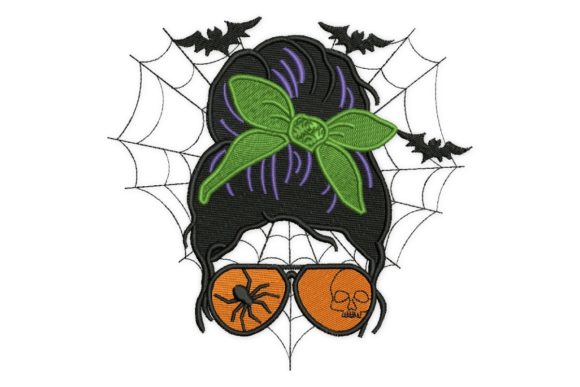
The term "Momster" suggests a playful twist on the traditional monster trope, likely appealing to mothers who embrace the chaos and fun of parenting with a sense of humor. Visually, the design feels both festive and modern. It avoids being overly scary, which broadens its audience significantly. Instead of limiting itself to horror enthusiasts, it targets the massive demographic of family-oriented buyers looking for cute, relatable, and stylish handmade products.
When evaluating a new embroidery file, I look for clarity. Does the design read well from three feet away? Based on its description as elegant and gorgeous, Momster Halloween appears to have clean lines and balanced proportions. This is essential for booth displays where customers scan tables quickly. A design that is too cluttered gets lost, but one with strong focal points draws the eye. This design seems to hit that sweet spot, offering enough detail to look premium without becoming a nightmare to stitch out.
Product Versatility for the Handmade Market
One of the strongest assets of this design is its adaptability. As a craft fair seller, you need designs that work across multiple product types to maximize your return on investment. Here is how I envision using this embroidery file in a real-world scenario:
- Tote Bags and Market Bags: This is perhaps the ideal canvas. The design can be centered for a bold statement or placed on the corner for a subtle accent. Tote bags are high-volume sellers at fairs, and a humorous, high-quality design increases the perceived value of a simple canvas bag.
- Aprons and Tea Towels: Kitchen textiles are huge during the fall season. Embroidering this design on a waffle-weave tea towel or a sturdy cotton apron creates an instant giftable item. The "fun" aspect of the design makes it perfect for hostess gifts.
- Embroidered Patches: If the file allows for smaller scaling without losing integrity, patches are a low-cost, high-margin product. They appeal to younger demographics and can be ironed onto jackets or backpacks.
- Caps and Hats: Curved surfaces are tricky, but if the stitch density is managed well, this could work on dad hats. However, careful testing is required to ensure the design does not pucker on the structured front panel.
- Pillow Covers: For home decor buyers, a seasonal pillow cover featuring this design adds a touch of whimsy to living rooms. It serves as an affordable way for customers to update their decor for Halloween.
Production Practicality and Batch Efficiency
For the busy entrepreneur, time is money. The description notes that the design comes with multiple formats, which is standard for professional digital embroidery files. This ensures compatibility with various machines, whether you are using a single-needle home machine or a multi-needle commercial setup.
The claim that it is "easy to stitch" suggests optimized stitch paths and reasonable stitch density. High-density designs can cause fabric puckering and break needles, slowing down production. A design that flows smoothly allows you to produce more finished products in less time. This is critical when preparing for a weekend craft fair where inventory depth matters. You want to be able to restock popular items quickly without spending hours re-hooping and troubleshooting.
Furthermore, the design’s elegance means it photographs well. For Etsy sellers, high-quality images are everything. A clean, crisp embroidery stitchout looks professional in printable mockups and live photos. It reduces the need for heavy editing and helps your online listings stand out against competitors using lower-quality graphics.
Careful-Use Notes and Technical Considerations
While the design is described as high-quality, no embroidery file is universally perfect without proper preparation. Here are some technical aspects to consider before you start mass production:
- Fabric Texture: The description states it looks gorgeous on any fabric, but textured towels or thick denim may require adjustments. On plush fabrics, small details might get lost. Always test on the specific material you plan to sell.
- Stabilizer Selection: To maintain the "elegant" look, use the right stabilizer. Cut-away stabilizer is often best for stretchy fabrics like tote bags, while tear-away might suffice for woven cottons. Poor stabilization can ruin the crispness of the design.
- Thread Contrast: Choose thread colors that pop against your fabric. If stitching on dark fabric, ensure the design includes enough light-colored threads or consider using a lighter base fabric to maintain visibility.
- Size Scaling: Be cautious if shrinking the design for small items like pouches. Tiny lettering or fine details may merge or become indistinct if scaled down too far. Check the minimum recommended size in the file documentation.
Boosting Brand Consistency and Buyer Engagement
Using a cohesive design like Momster Halloween helps build brand consistency. If your shop focuses on witty, high-quality handmade goods, this design reinforces that identity. Customers appreciate when a product feels thoughtful and well-executed. A poorly stitched or generic design can detract from your brand’s perceived value, whereas a polished, fun design encourages social sharing and repeat business.
In a booth setting, this design can serve as a conversation starter. The humor inherent in the "Momster" concept invites smiles and comments, breaking the ice with potential buyers. Engaged customers are more likely to purchase. Additionally, offering a range of products featuring the same design creates a visually appealing display that looks curated and professional.
Final Designer Recommendations
Before listing this as a commercial embroidery product or selling finished goods, take these steps:
- Test Stitch: Always run a test on scrap fabric identical to your final product. Check for thread breaks, nesting, or registration issues.
- Verify Licensing: Ensure you understand the commercial use rights included with the digital embroidery file. Most designers allow selling finished physical products, but restrictions on reselling the file itself are standard.
- Create Mockups: Use the design to create at least one real physical mockup for your photos. Digital mockups are helpful, but a photo of the actual stitched item builds trust with buyers.
- Check Hoop Size: Confirm the design fits your available hoops. If it requires a large hoop, ensure you have the capacity to produce it efficiently.
In conclusion, Momster Halloween appears to be a strong contender for your autumn inventory. It combines the festive spirit of Halloween with the relatability of modern parenting, all wrapped in a package that promises ease of production and elegant results. For craft fair sellers, Etsy entrepreneurs, and boutique makers, this design offers the versatility and visual impact needed to drive sales and delight customers. By paying attention to fabric choices and stabilization, you can turn this digital asset into a profitable line of handmade products that stand out in a crowded market.