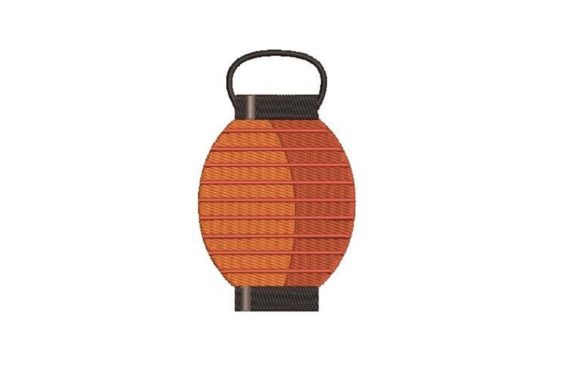
Japanese Lantern: A Designer’s Review for Branded Merch
As an embroidery designer who has spent years digitizing and reviewing files for small business clients, I approach every new machine embroidery design with a critical eye. It is not just about whether the image looks pretty on a screen; it is about how that image translates to fabric, thread, and ultimately, brand value. Recently, I evaluated the Japanese Lantern design, a piece categorized under Asia-themed Embroidery, to determine its viability for commercial use. This review focuses on how this specific asset performs in real-world applications for boutique owners, apparel decorators, and handmade brands.
First Impressions and Visual Personality
The Japanese Lantern design immediately strikes a balance between traditional elegance and modern simplicity. The description notes that it has lovely features and will stitch out beautifully, which suggests a well-digitized pathing strategy. Visually, the lantern motif evokes warmth, hospitality, and cultural richness. For a small business, these are powerful emotional triggers. Unlike aggressive or overly complex logos, a lantern symbol feels inviting. It works exceptionally well for businesses in the hospitality sector, such as cafés, tea houses, bakeries, or florists, where the goal is to create a welcoming atmosphere.
The aesthetic is neither too rustic nor too sterile. It carries a premium, handmade quality that aligns perfectly with the current consumer demand for authentic, artisanal products. When placed on merchandise, it does not scream for attention but rather invites closer inspection, which is ideal for building a sophisticated brand identity.
Real-World Applications for Small Business Merch
The true test of any digital embroidery file is its versatility across different substrates. Here is how Japanese Lantern performs in various commercial scenarios:
- Embroidered Patches: This is perhaps the strongest application. The lantern shape is self-contained, making it perfect for iron-on or sew-on patches. These can be sold as standalone accessories or used to brand tote bags and jackets without committing to permanent embroidery on the garment itself.
- Staff Uniforms and Aprons: For a boutique or café, placing this design on the chest pocket of an apron adds a touch of professionalism. It elevates a standard uniform into a branded asset. The design’s likely moderate stitch density should hold up well against the frequent washing that aprons endure, provided the correct stabilizer is used.
- Cap Embroidery: Caps require designs that are not too tall or wide to avoid distortion on the curved front panel. If the Japanese Lantern maintains a compact vertical profile, it serves as an excellent subtle logo accent on baseball caps or beanies, enhancing staff presentation or customer merch.
- Tote Bag Design: Canvas totes are a staple for eco-conscious brands. The lantern motif complements natural fibers like cotton and hemp. It transforms a simple bag into a stylish accessory that customers will actually want to wear, extending your brand’s reach beyond the store.
Technical Considerations and Production Notes
While the design promises to stitch out beautifully, professional execution requires due diligence. The product description mentions that it comes with multiple embroidery formats, which is crucial for compatibility with different machines. However, before running a full production batch, you must address several technical factors.
First, always check the hoop size requirements. Ensure the design fits within your standard hoop capabilities, especially if you are working with smaller items like pocket squares or hat fronts. Second, consider the thread colors. A lantern design often relies on contrast to define its structure. Test the design in black and white first to ensure the outlines remain visible even if color contrast is low. This is vital for dark uniforms where you might be using white or light-colored thread.
Another critical factor is fabric texture. On textured materials like terry cloth or heavy canvas, fine details can get lost. If the Japanese Lantern includes intricate lattice work or small text, verify that these elements do not merge together during stitching. Using a cut-away stabilizer is recommended for stretchy fabrics to prevent puckering, while a tear-away may suffice for stable woven materials like denim or canvas.
Brand Identity and Customer Trust
Incorporating a well-chosen design like Japanese Lantern into your product line does more than decorate an item; it reinforces your brand identity. Consistency in visual assets builds trust. When customers see the same high-quality emblem on your packaging, your staff’s attire, and your retail products, it signals professionalism and attention to detail.
For Etsy sellers and crafters, offering items with this design can differentiate your shop from competitors using generic clipart. It suggests a curated, thoughtful approach to product creation. Furthermore, because the design falls under the Asia category, it can help niche brands connect with specific cultural aesthetics or themes, appealing to customers who appreciate global influences in their home decor or fashion.
Where to Use Caution
Despite its strengths, there are scenarios where this design might need adjustment. Avoid using it at extremely small sizes if it contains fine internal details, as these may not stitch out cleanly. Also, be cautious with high-stretch fabrics unless you have extensive experience with stabilization. If the design is intended for items that undergo industrial laundering, ensure the stitch density is sufficient to prevent thread breakage over time.
Always create a printable mockup or a physical sample for client approval before finalizing large orders. Compare the finished patch or embroidered item beside other design assets to ensure visual consistency across your entire product line.
Final Verdict for Commercial Use
The Japanese Lantern machine embroidery design is a strong contender for small business merchandise. Its aesthetic versatility allows it to function as both a subtle accent and a focal point. For apparel decorators and handmade brands, it offers a way to add cultural depth and visual warmth to custom apparel and accessories.
Before integrating it into your workflow, confirm the specific license terms included with the file to ensure it covers commercial embroidery projects. Check the included file formats to match your machine’s requirements. With proper testing and attention to stabilizer choice, this design can become a valuable part of your digital asset library, helping you create memorable, high-quality products that resonate with your customers.