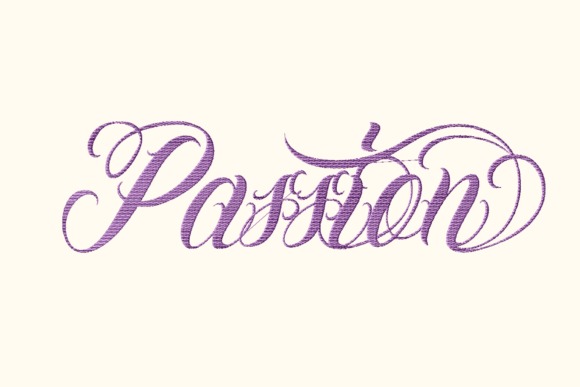
Passion Lettering: A Designer's Review for Brand Merch
As an embroidery designer who has spent years translating brand visions into tangible stitched assets, I approach every new digital file with a critical eye. The market is flooded with generic designs, but occasionally, a piece arrives that feels destined for something more than just a home decor project. Passion Lettering is one such design. Described as a magical, high-quality creation meant to add an adorable and inspirational accent, this machine embroidery design immediately caught my attention for its potential in the commercial sector. For small business owners, Etsy sellers, and apparel decorators looking to elevate their product line, understanding how a design like this performs in a real-world production environment is crucial before committing to bulk orders.
First Impressions: Visual Personality and Brand Fit
When I first loaded the Passion Lettering file into my digitizing software, the visual impact was immediate. The lettering style exudes a blend of elegance and playfulness, striking a balance that is often difficult to achieve in custom apparel. It does not feel rigid or overly corporate; instead, it carries a warm, handmade aesthetic that resonates deeply with boutique brands and creative studios. This makes it an ideal candidate for businesses that want to project authenticity and passion without sacrificing professionalism.
The description promises an "out of this world" quality, and upon closer inspection of the stitch paths, the flow suggests a fluidity that works well on soft textiles. Whether you are running a bakery, a florist, a pet brand, or a local café, the tone of this design aligns perfectly with industries built on emotion and personal connection. It serves as more than just text; it acts as a visual handshake between your brand and your customer, signaling that care went into every detail of your merchandise.
Real-World Applications for Small Business Merch
The true test of any embroidery file lies in its versatility across different products. In my experience, Passion Lettering shines when applied to specific categories of small business merch where branding needs to be both visible and inviting. Here is how I see this design performing in various commercial scenarios:
- Embroidered Patches: One of the most cost-effective ways to use this design is by creating standalone patches. These can be sold as collectibles, used as event giveaways, or attached to denim jackets and tote bags. The intricate nature of the lettering ensures the patch looks premium even when detached from the garment.
- Staff Uniforms and Aprons: For a boutique or café, staff uniforms need to look cohesive yet friendly. Placing Passion Lettering on the chest pocket of an apron or the sleeve of a work shirt adds a touch of personality that elevates the customer experience. It transforms a standard uniform into a branded asset.
- Cap Embroidery: Caps are a staple for promotional items. This design works exceptionally well on the front panel of a baseball cap, provided the size is scaled correctly. It offers a bold statement that stands out against the structured fabric of a hat.
- Tote Bag Design: Canvas tote bags are perfect for carrying heavier stitch counts. The natural texture of canvas complements the inspirational vibe of the lettering, making it a favorite among crafters and eco-conscious brands.
- Product Packaging Accents: Beyond clothing, consider using this design on fabric labels sewn into the hems of handmade goods or as a decorative element on fabric gift wraps. It reinforces your brand identity at the point of unboxing.
Critical Considerations for Production Success
While Passion Lettering is versatile, experienced designers know that no design is a magic bullet. There are specific scenarios where caution is required to ensure the finished product meets professional standards. Before you rush to production, evaluate these factors carefully.
Size and Stitch Density
The beauty of this design relies on its details. If you attempt to shrink the design too much for a tiny patch or a small logo area, the stitch density may become problematic. High density in a small space can lead to puckering, especially on lighter fabrics. Always check the minimum recommended size for the file. If you are working with dark uniforms, ensure there is enough underlay to support the thread colors so the design pops rather than getting lost in the background.
Fabric Texture and Stabilizer Choice
The description notes that this design can be stitched on "any fabric," but in practice, textured fabrics like heavy fleece, knit jerseys, or coarse canvas require special handling. You must select the appropriate stabilizer to prevent distortion. A tear-away might suffice for a stiff tote bag, but a cut-away stabilizer is likely necessary for stretchy staff shirts to maintain the integrity of the lettering over time. Ignoring this step can result in a distorted Passion Lettering design that fails to represent your brand professionally.
Curved Surfaces and Cap Fronts
When applying this design to curved surfaces like caps, the hoop tension becomes critical. The lettering must be positioned so that the curve of the cap does not cause the stitches to bridge or gap. Test stitching on a spare cap blank is non-negotiable here. The curvature can alter the perception of the font, potentially making the inspirational message harder to read if not aligned perfectly.
Strategic Notes for Professional Execution
To ensure that your investment in this digital embroidery file yields a high-quality return, follow these practical steps derived from years of commercial embroidery experience:
- Test in Black and White First: Before ordering expensive threads, run a test stitch in a single color. This allows you to inspect the spacing, jump stitches, and overall flow without the distraction of multiple thread colors.
- Verify Hoop Size Compatibility: Confirm that your machine's hoop can accommodate the design dimensions. If the design requires a larger hoop than you own, you will need to adjust your workflow or split the design, which can affect the final look.
- Create Printable Mockups: Before presenting the design to clients or launching a product line, create realistic printable mockups. Show the design on a tote bag, a cap, and an apron. This helps stakeholders visualize the scale and placement.
- Check Commercial Licensing: Ensure you have the right to use this machine embroidery design for commercial purposes. While many files are available for purchase, some restrict usage to personal projects only. Clarify this before selling branded merchandise.
- Compare Against Existing Assets: Place Passion Lettering next to your other design assets. Does it match the visual consistency of your brand? It should complement your existing logos and typography, not clash with them.
- Inspect Thread Color Contrast: Choose thread colors that offer high contrast against the fabric. For inspirational text, readability is key. Avoid low-contrast combinations that make the message difficult to discern from a distance.
Impact on Brand Identity and Customer Trust
In the competitive landscape of handmade brands and small businesses, the quality of your merchandise directly influences customer trust. A poorly executed embroidery job can signal a lack of attention to detail, whereas a crisp, well-stitched application of Passion Lettering communicates professionalism and pride in craftsmanship.
This design has the power to enhance your brand identity by adding a layer of emotional resonance. When a customer wears a cap or carries a tote bag featuring this inspirational accent, they are not just displaying a logo; they are sharing a sentiment. This fosters deeper engagement and turns your customers into brand ambassadors. The tactile quality of the embroidery adds perceived value to the product, justifying a higher price point and distinguishing your offerings from mass-produced alternatives.
Ultimately, Passion Lettering is more than just a decorative file; it is a strategic tool for businesses aiming to connect with their audience through meaningful design. By approaching its implementation with technical precision and creative foresight, you can transform simple fabric into a powerful extension of your brand story. Whether for a staff uniform, a limited-edition patch, or a signature tote bag, this design offers the perfect blend of artistry and utility for the modern creator.