Stitching the Dutch Oven: A Designer’s Review
As a designer who has spent countless hours staring at digitizing software and even more time watching needles punch through fabric, I have developed a keen eye for what works in the real world. We often see designs that look perfect on a screen but fall flat once thread hits cloth. Today, I am taking a close look at the Dutch Oven machine embroidery design. This isn’t just about aesthetics; it is about practical application for craft businesses, Etsy sellers, and anyone looking to add a touch of warmth to their handmade products.
First Impressions and Visual Mood
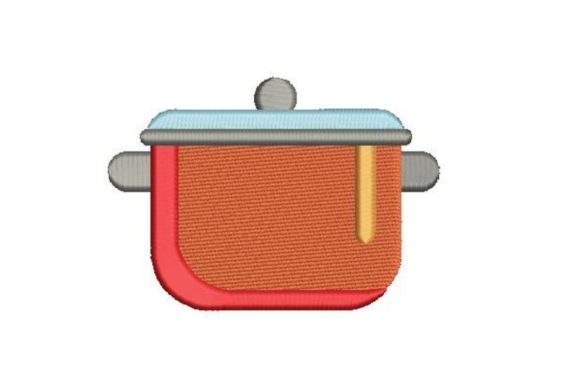
The first thing that strikes me about this Dutch Oven design is its inherent coziness. It does not try to be overly complex or hyper-realistic. Instead, it captures the essence of slow cooking and home comfort. The layout feels balanced, with a visual personality that suggests warmth, tradition, and hearty meals. For those of us in the Kitchen decor niche, this is gold. It avoids the clutter that often plagues digital embroidery files, opting for clean lines that should translate well into thread.
The mood it creates is inviting. It feels like a Sunday afternoon stew simmering on the stove. This emotional connection is crucial for sales. When a customer sees an embroidered item, they are buying a feeling as much as a product. This design taps directly into the "cottagecore" and rustic home trends that remain popular among boutique buyers and hobbyists alike.
Real-World Application: The Tote Bag Test
To truly evaluate a design, I imagine it in a specific project. Let’s say I am preparing a custom order for a local farmer’s market vendor. She wants a line of reusable tote bags for customers who buy fresh produce. A plain canvas bag is functional, but adding the Dutch Oven embroidery transforms it into a statement piece.
In this scenario, the design needs to hold up against the texture of heavy canvas. Because the design likely utilizes a mix of fill stitch for the body of the pot and perhaps satin stitch for highlights or handles, it should provide good coverage. The contrast between the thread colors and the natural beige of the canvas would make the design pop without being garish. It tells a story of farm-to-table cooking, which aligns perfectly with the vendor’s brand. This is where a simple machine embroidery design becomes a powerful branding tool.
Versatility Across Product Lines
Beyond tote bags, where else does this design shine? I see strong potential in several areas:
- Aprons and Tea Towels: This is the most obvious fit. An embroidered apron with this motif makes for an excellent personalized gift for housewarmings or weddings. The design’s theme is literally centered on cooking, so the context is seamless.
- Sweatshirt Embroidery: Placing a smaller version of this design on the left chest of a crewneck sweatshirt creates a subtle, stylish look. It moves away from loud graphics and toward understated craftsmanship.
- Embroidered Patches: If the digitizing allows for clean edges, this could work beautifully as an iron-on or sew-on patch. Patches are huge right now for customizing denim jackets or backpacks.
- Holiday Embroidery: During the colder months, this design fits perfectly into autumn and winter collections. It evokes thoughts of Thanksgiving dinners and winter stews, making it a seasonal bestseller.
Technical Considerations and Stitch Quality
Now, let’s talk about the technical side. As an experienced reviewer, I always caution makers to check the stitch density. Designs that represent solid objects like pots can sometimes be digitized with too many layers, leading to puckering or needle breaks. Since the product description mentions it comes with multiple embroidery file formats, you have the flexibility to choose the right size for your hoop.
However, you must be mindful of where you place it. On stretchy fabrics like jersey knits for t-shirts, a dense fill stitch can cause distortion if not properly supported. Always use a cut-away stabilizer for garments that will be washed frequently. For woven fabrics like linen or cotton twill, a tear-away stabilizer might suffice, but testing is key.
I also recommend checking the small details. Does the handle connect securely to the lid? Are there any tiny isolated stitches that might pull out during washing? These are the questions that separate a amateur-looking finished product from a professional one. If the design includes any text, ensure it is large enough to be legible after stitching, especially if you are working with a smaller hoop size.
Fabric and Color Strategy
Thread color choice can make or break this design. For a rustic look, consider earth tones: deep browns, cast-iron blacks, and warm oranges or reds for the food elements. Avoid neon or overly bright synthetic shades unless you are going for a playful, modern twist. The beauty of this Dutch Oven motif lies in its traditional feel.
Be cautious with dark fabrics. If you are embroidering on black or navy, ensure the design has enough light-colored accents or outlines to stand out. Conversely, on white or cream fabrics, darker threads will provide excellent contrast. I always advise creating a printable mockup or testing on scrap fabric before committing to a final piece. This saves time and materials, especially for small shop product runs where margins matter.
Commercial Use and Licensing
For the Etsy seller or craft business owner, licensing is critical. The description states this design can be used with multiple embroidery machines, which is great for compatibility. However, always confirm the license terms before selling finished items. Most designers allow physical sales of embroidered goods but restrict the resale of the digital file itself. Respect these boundaries to maintain professionalism and trust in the creative community.
Using high-quality design assets like this helps build your brand consistency. If your shop focuses on home and hearth, this design reinforces that identity. It shows customers that you care about detail and theme, which increases buyer engagement and trust.
Final Verdict
The Dutch Oven embroidery design is a solid addition to any designer’s library. It is versatile, emotionally resonant, and technically feasible for a range of projects. Whether you are creating a personalized gift for a friend who loves to cook or stocking your online store with unique custom apparel, this design offers a charming aesthetic that appeals to a broad audience.
Remember to test your tension, choose your stabilizer wisely, and let the thread do the talking. With careful execution, this design can elevate your embroidery project from simple decoration to a cherished keepsake. Happy stitching!