Texas Patch: A Designer's Real-World Review
As a designer who has spent years navigating the nuances of machine embroidery, I approach every new machine embroidery design with a critical eye. It is not enough for a pattern to look good on a screen; it must translate flawlessly into thread and fabric. Today, I am evaluating the Texas Patch, an in-the-hoop (ITH) design marketed as a way to show state pride. My goal is to determine if this embroidery file holds up under the pressure of real client work, small business production, and high-quality handmade goods.
First Impressions: Mood and Visual Personality
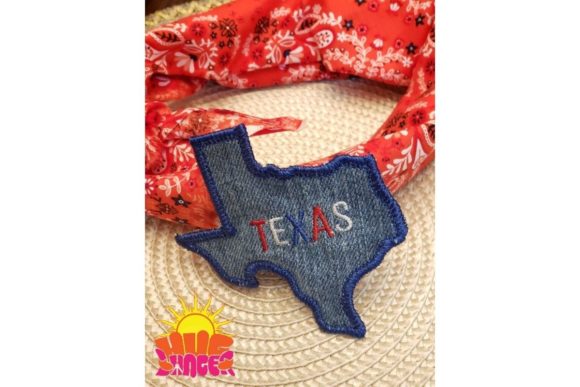
When I first opened the preview for the Texas Patch, the immediate feeling was one of classic Americana. The layout is straightforward, focusing on the recognizable silhouette of the state without unnecessary clutter. For a North America-themed collection, simplicity often wins because it ensures legibility at various scales. The visual personality feels bold yet versatile. It does not scream "tourist trap"; instead, it suggests a well-crafted, permanent emblem suitable for everyday wear or home decor.
The balance between the outline and the internal detailing appears promising. In Embroidery, the devil is always in the details, particularly when dealing with irregular shapes like state borders. If the stitch count is too low, the edges can look jagged. If it is too high, the fabric may pucker. From the digital preview, the Texas Patch seems to strike a middle ground, offering enough definition to be recognized instantly while maintaining clean lines that should stitch out smoothly on most domestic machines.
Testing the Design: A Real-Life Scenario
To truly understand the utility of this design, let us imagine a specific project. Suppose I am running a small shop preparing custom merchandise for a local Texas-themed boutique. I need to create a run of canvas tote bags and heavyweight cotton sweatshirts. These are high-visibility items where the quality of the finished product directly impacts my brand reputation.
I visualize placing the Texas Patch on the lower left corner of a beige canvas tote bag. Here, the design would serve as a subtle branding element. The fill stitch within the state shape needs to be dense enough to prevent the background fabric from showing through but light enough to allow the bag to remain flexible. On a dark navy sweatshirt, the contrast becomes key. If the design relies heavily on white thread for the main fill, the stitch density must be sufficient to cover the dark fibers completely. A poorly executed custom apparel item with visible gaps in the stitching will result in returns and negative reviews. The Texas Patch needs to deliver a solid, opaque look to maintain that professional edge.
Practical Applications and Versatility
This design is clearly built for versatility. Beyond the obvious applications like tote bag design and sweatshirt embroidery, the Texas Patch fits naturally into several other categories:
- Baby Embroidery: A smaller version could work beautifully on a onesie or a nursery blanket, provided the thread colors are soft and the backing is gentle against skin.
- Kitchen Textiles: Imagine this on a flour sack tea towel or an apron. It adds a rustic, personalized touch to a functional item.
- Holiday Gifts: For Christmas or birthday gifts, this personalized gift option allows crafters to add names or dates alongside the state shape, creating a unique keepsake.
- Commercial Embroidery: Small business owners can use this as a logo element for staff uniforms or promotional items, leveraging the strong regional identity.
For the Etsy seller or small shop product creator, having a reliable digital embroidery file like this is essential for scaling production. It reduces the time spent designing from scratch, allowing you to focus on finishing touches and customer service.
Where Caution Is Required
While the Texas Patch looks promising, there are specific scenarios where caution is necessary. As a reviewer, I must highlight potential pitfalls to ensure your success.
First, consider hoop size. State outlines can be wide. If your hoop is too small, you may have to split the design, which can lead to registration errors—misaligned sections that ruin the look of the patch. Always verify that the dimensions fit your machine's workspace before purchasing.
Second, be wary of textured fabrics or stretchy fabric. Stitching a complex outline on a knit jersey without the proper stabilizer can cause the threads to sink into the weave or distort the shape. Similarly, on dark fabric, the thread tension must be perfect to avoid shadows. If you plan to use this on caps or curved surfaces, remember that the flat nature of the design might require adjustments to the cap frame settings to prevent puckering around the brim.
Finally, pay attention to detailed corners. The border of Texas has many curves and angles. In applique design or dense fill stitch, these areas can sometimes bunch up. Always check the thread colors you select; a high-contrast combination helps define these tricky edges better than a monochromatic scheme.
Designer Notes for Professional Results
If you decide to integrate the Texas Patch into your workflow, follow these practical steps to ensure a flawless outcome:
- Test on Scrap Fabric: Never skip the test run. Stitch the design on a scrap piece of the actual fabric you intend to use. This reveals issues with stitch density and stabilizer choice immediately.
- Check File Formats: The description mentions multiple embroidery file formats. Ensure you download the format compatible with your specific machine model to avoid conversion errors.
- Review Stabilizer Needs: For custom apparel, a cutaway stabilizer is often best for durability, while tear-away might suffice for decorative pillows.
- Mockup First: Use a printable mockup tool to visualize how the design sits on your product. Check if it looks balanced on both light and dark backgrounds.
- Licensing Check: Before selling any handmade product featuring this design, confirm the licensing terms. Some design assets are for personal use only, while others allow commercial sales. Do not assume; read the fine print.
Final Verdict on Value and Appeal
The Texas Patch offers a solid foundation for anyone looking to capitalize on regional pride in their craft business. Its clean lines and recognizable shape make it a safe bet for commercial embroidery projects where consistency is key. When stitched correctly, it enhances the perceived value of the finished product, signaling to customers that care and precision went into its creation.
For the creative entrepreneur, this design serves as more than just a pattern; it is a tool for building brand recognition and customer trust. Whether used for a holiday embroidery project or a staple inventory item, the ability to produce a consistent, high-quality emblem is invaluable. Just remember that the design is only half the battle. Your skill in selecting the right materials, stabilizers, and thread combinations will ultimately determine whether the Texas Patch shines or falls flat.
In the world of Embroidery, practicality reigns supreme. This design passes the initial visual inspection, but as with any machine embroidery design, your preparation and execution will define its success. Test thoroughly, choose your materials wisely, and you will find this a valuable addition to your design assets.