Reviewing FSL Christmas Poinsettia Lace for Boutique Sweatshirts
As an embroidery designer who has spent years refining digital files for small clothing brands, I approach every new machine embroidery design with a critical eye. It is not just about whether the pattern looks pretty on a screen; it is about how it translates to fabric, how it withstands wear, and how it elevates the perceived value of the final garment. Recently, I evaluated the FSL Christmas Poinsettia Lace for a potential inclusion in a limited-edition holiday sweatshirt drop. This review breaks down my professional assessment of this embroidery file, focusing on its application in modern sweatshirt embroidery and its viability for boutique brands.
First Impressions: A Delicate Filet Aesthetic
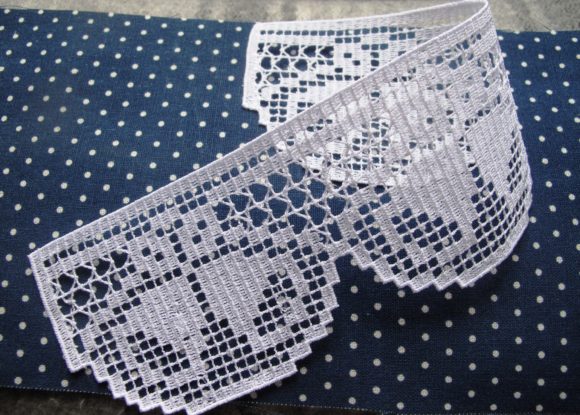
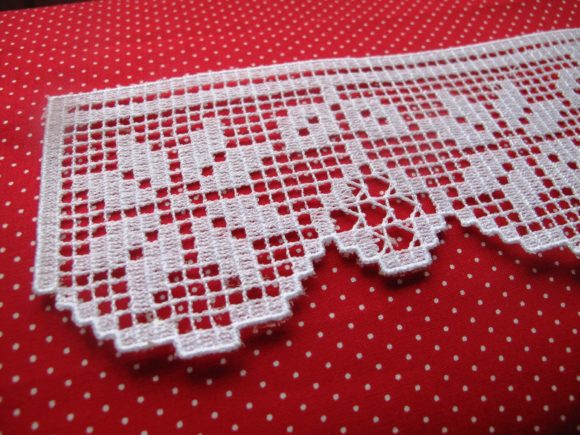
The immediate standout feature of the FSL Christmas Poinsettia Lace is its structural elegance. Unlike traditional satin-stitch florals that can feel heavy or dated, this design mimics the airy, openwork structure of filet lace. For a designer, this suggests a sophisticated, vintage-inspired mood rather than a generic holiday graphic. The poinsettia pattern, traditionally associated with Christmas towels and napkins, takes on a completely different personality when isolated as free-standing lace.
In terms of stitching personality, the design feels decorative and refined. It leans towards a feminine and rustic aesthetic, avoiding the bold, cartoonish look often found in mass-market holiday apparel. This subtlety is crucial for custom apparel targeting adults who prefer understated seasonal style. The layout appears balanced, offering a natural flow that could work beautifully as a border element or a standalone motif, depending on how you scale and crop the digital embroidery file.
Adapting Traditional Lace for Modern Apparel
While the product description notes that this pattern is usually used for pillows and linens, adapting it for hoodie design and sweatshirts requires strategic thinking. Free-standing lace (FSL) typically requires a water-soluble stabilizer and results in a stiff, standalone fabric. Placing pure FSL directly onto a soft cotton blend sweatshirt can create a textural clash if not handled correctly. However, when used as an appliqué base or a layered accent, it adds incredible depth.
Imagine this lace motif stitched out separately, then carefully hand-appliquéd onto the chest of a neutral, oatmeal-colored oversized hoodie. The contrast between the rigid, intricate lace and the cozy, brushed fleece creates a high-end tactile experience. For dark fabric options like charcoal or navy, the open spaces in the filet lace allow the background color to peek through, creating a subtle, tonal effect that feels premium and minimal. On pastel colors, such as blush or sage, the design reads as soft and playful, perfect for a younger demographic or a gift-focused Etsy seller inventory.
Placement Strategies for Maximum Impact
For a boutique brand, placement is everything. Here is how I would utilize this design across a collection:
- Chest Pocket Accent: Scale the design down to fit over a heart pocket. This keeps the look casual and cute without overwhelming the garment.
- Sleeve Cuffs: Use the border aspect of the design to wrap around the cuff of a sleeve. This unexpected detail surprises the wearer and adds significant perceived value.
- Back Yoke: A larger version centered on the upper back creates a striking focal point for lifestyle product photography. It frames the neck area elegantly.
- Hem Border: If the hoop size allows, running the pattern along the bottom hem of a cropped sweatshirt offers a unique, architectural finish.
Technical Considerations for Commercial Production
Before adding any new asset to your design assets library for commercial use, you must address practical production concerns. Since the provided description does not specify exact stitch counts, hoop sizes, or file formats, it is imperative to check these details in the download package before committing to a production run.
Stitch density is a primary concern with lace designs. If the density is too high, the lace may become brittle and prone to cracking after washing. If it is too low, it may lack structural integrity. For commercial embroidery on apparel, you want a balance that holds its shape but retains some flexibility. Test stitches on your specific machine are non-negotiable here.
Thread colors will dramatically alter the vibe. Classic red and green thread choices scream traditional Christmas, which may limit the wearable lifespan of the garment to December. Consider using cream, gold, or silver threads for a winter-themed piece that can be worn from November through February. This extends the utility of your small shop product and reduces customer hesitation regarding seasonal relevance.
Additionally, consider the stabilizer choice. While FSL requires water-soluble backing, ensure you are using a high-quality variant that dissolves completely without leaving residue on the surrounding fabric texture. Residue can make the sweatshirt feel scratchy, negatively impacting customer reviews.
Elevating Brand Identity and Customer Trust
Using intricate designs like FSL Christmas Poinsettia Lace signals craftsmanship. In a market saturated with print-on-demand goods, handmade embroidery stands out. When customers see the texture and dimensionality of lace in your printable mockup or actual product photos, it builds trust in your quality standards. It suggests that time, skill, and attention to detail went into the finished product.
This design supports a brand identity that values tradition mixed with modern comfort. It appeals to buyers looking for heirloom-quality items rather than fast fashion. By positioning this as a limited-drop item, you create urgency and exclusivity. Highlight the "filet lace" inspiration in your Etsy listings to educate buyers on the technique, further establishing your authority as a skilled creator.
Final Verdict for Designers
The FSL Christmas Poinsettia Lace is a versatile tool for the experienced embroiderer. It moves beyond standard holiday clichés by offering a textured, sophisticated alternative. While it requires careful handling regarding placement and stabilizer removal, the payoff in visual appeal is significant. It works best when treated as a luxury accent rather than a main event, allowing the quality of the sweatshirt fabric to shine alongside the intricacy of the thread.
For apparel decorators and creative entrepreneurs, this design offers a fresh way to approach seasonal collections. Just remember to verify the technical specifications of the embroidery file upon purchase to ensure compatibility with your hoop size and machine capabilities. With the right execution, this poinsettia pattern can transform a simple sweatshirt into a standout piece of wearable art.