Roaring 20s Car: A Designer’s Review
When I first pulled up the Roaring 20s Car file on my design software, I was looking for more than just a cute graphic. As an experienced embroidery product reviewer and designer, I need to know if a machine embroidery design will hold up under the needle, survive the wash, and actually sell in a crowded marketplace. This particular piece caught my eye because it taps into a very specific, nostalgic aesthetic that resonates with classic car enthusiasts and vintage lovers alike.
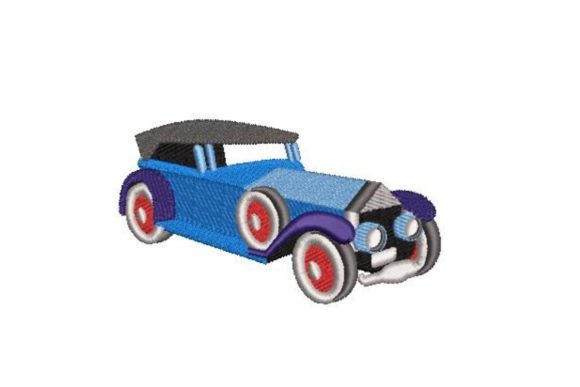
The initial visual impression is striking. The silhouette of the vehicle is bold and recognizable, capturing the essence of early automotive history without getting bogged down in unnecessary complexity. For those of us who work in Transportation themed Embroidery, finding a balance between detail and stitchability is always the biggest challenge. This design seems to strike that balance well, offering enough character to be interesting but keeping the shapes clean enough for reliable stitching.
Real-World Application: The Tote Bag Test
To truly evaluate this applique design, I imagined a real-life scenario. I recently worked with a client who wanted to launch a line of eco-friendly canvas tote bags for a local vintage auto show. They needed something that would appeal to both older collectors and younger buyers who appreciate retro style. The Roaring 20s Car felt like the perfect candidate for this project.
Because this is an applique design, the construction process is different from standard fill or satin stitch work. Applique allows you to use actual fabric for the body of the car, which adds texture and depth that thread alone cannot achieve. In my mockup, I paired a deep navy blue cotton fabric for the car body against a natural beige canvas bag. The contrast was immediate and sophisticated. The placement stitch held the fabric securely, and the final satin stitch border gave it a polished, professional finish that elevated the perceived value of the handmade product.
Versatility Across Product Lines
Beyond tote bags, this design has significant potential across various custom apparel and home decor items. Here is how I see it performing in different contexts:
- Sweatshirt Embroidery: Placed on the left chest of a heather grey crewneck, the design acts as a subtle yet stylish badge of honor for car lovers. The applique technique works well here because it doesn’t add excessive bulk, which can be uncomfortable on wearable items.
- Embroidered Patch: If you are running a small shop product line, turning this into an iron-on or sew-on patch is a smart move. Patches are low-risk for customers and high-margin for sellers. The bold lines of the Roaring 20s Car translate perfectly to a patch format.
- Baby Embroidery: For nursery decor or baby onesies, scaling the design down requires caution. However, if used on a pillow cover or a blanket border, it adds a whimsical, storybook quality that parents often seek for boys' rooms or gender-neutral spaces.
- Holiday Embroidery: While not explicitly seasonal, the vintage vibe fits well into Father’s Day gift guides or Christmas stockings for grandfathers who love classic automobiles.
Technical Considerations for Stitchers
As an Etsy seller or craft business owner, you know that a pretty picture does not always equal a successful stitch-out. There are specific areas where you need to exercise caution with the Roaring 20s Car.
First, consider your hoop size. Since this is an applique, you need enough room to place the fabric accurately within the placement stitches. If you are working with a small hoop, ensure the design fits comfortably without hitting the edges, especially if you are adding personalized text below the car. Second, pay attention to stitch density. Applique designs generally have lower density than full-fill designs, which is great for preventing puckering on lighter fabrics. However, the border stitches must be dense enough to cover the raw edge of your applique fabric completely. If your machine tension is off, you might see the underlying fabric peeking through.
Fabric choice is critical. This design performs best on stable, woven fabrics like cotton, denim, or canvas. Avoid using it on highly stretchy materials like thin jersey knits unless you use a very sturdy cut-away stabilizer. The weight of the applique fabric combined with the stitching can cause lightweight knits to distort over time. Also, be mindful of thread colors. High contrast is key. If you choose a thread color too similar to your base fabric, the definition of the car’s shape will be lost.
Commercial Value and Brand Consistency
For digital product sellers and creative entrepreneurs, the commercial viability of a design is paramount. The Roaring 20s Car offers strong brand consistency for shops focusing on vintage, retro, or masculine aesthetics. It helps build trust with customers because it looks intentional and well-crafted, rather than generic.
When creating printable mockups or digital previews for your online store, remember to show the design on different backgrounds. Test it in black and white to ensure the silhouette remains clear. This helps buyers visualize the versatility of the embroidery file. Furthermore, since this design comes with multiple file formats, it is compatible with most major machines, which broadens your customer base. Always confirm licensing terms before selling finished items or digital products to ensure you are compliant with the creator’s rules.
Final Designer Notes
Before committing to a large production run or listing this as a new item in your shop, follow these practical steps:
- Test on Scrap Fabric: Always stitch out a test sample on the exact fabric you plan to use for production. Check for registration issues with the applique placement.
- Check Thread Contrast: Ensure your border thread stands out against both the applique fabric and the base garment.
- Inspect Small Details: Zoom in on your software to check for any tiny, isolated stitches that might cause thread breaks or bird nests.
- Verify File Formats: Confirm that the downloaded package includes the specific format your machine requires (e.g., PES, DST, JEF).
- Consider Washability: If selling personalized gifts like baby items or kitchen towels, ensure the applique fabric is pre-shrunk to prevent uneven shrinking after the first wash.
In conclusion, the Roaring 20s Car is a solid addition to any designer’s library. It bridges the gap between nostalgic charm and modern manufacturing ease. Whether you are creating a one-of-a-kind finished product for a client or building a catalog of design assets for your shop, this design offers the reliability and visual appeal necessary for success in the competitive world of custom embroidery.