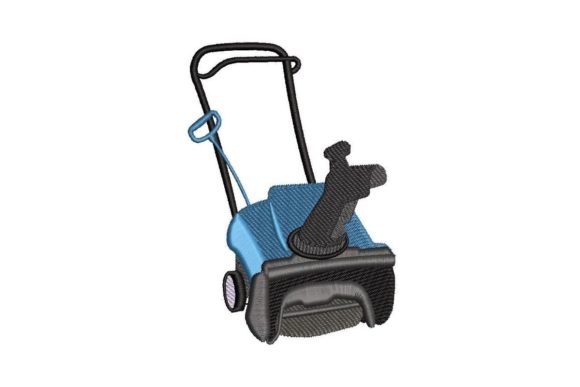
Snowblower Embroidery Design Review for Business
As an experienced embroidery designer who has spent years refining designs for small business merchandise, I approach every new machine embroidery design with a critical eye. The goal is never just to make something look pretty; it is to create a durable, professional asset that elevates a brand. Today, I am reviewing the Snowblower design. At first glance, this piece falls squarely into the Transportation category, but its application extends far beyond vehicles. For boutique owners, Etsy sellers, and apparel decorators looking to add a touch of rugged utility or seasonal flair to their products, understanding how this design performs in a commercial setting is essential.
First Impressions: Professionalism Meets Utility
When I first opened the digital embroidery file for Snowblower, my immediate reaction was one of practical appreciation. The silhouette suggests a bold, functional aesthetic. Unlike overly decorative floral patterns or whimsical cartoons, this design carries a weight of authority and reliability. It feels rustic yet modern, making it an excellent candidate for brands that want to project strength, durability, or a connection to outdoor work and winter seasons.
For a handmade product line or a local café that prides itself on "getting things done," this design offers a visual shorthand for hard work and resilience. It is not merely a decoration; it is a statement. The lines appear clean, which is crucial when translating a digital image into physical thread. A design like Snowblower can transform a plain tote bag or a staff apron into a branded item that customers actually want to wear and use.
Real-World Applications for Small Business Merch
The versatility of the Snowblower design makes it a standout choice for various small business merch strategies. Let us explore how this specific embroidery asset can be integrated into your product catalog effectively.
Staff Uniforms and Aprons
Imagine a landscaping company, a hardware store, or even a cozy bakery that wants to emphasize its "winter-ready" status. Placing the Snowblower design as a chest logo accent on heavy-duty work shirts or denim aprons creates instant team cohesion. The design works exceptionally well as apron embroidery because the subject matter aligns naturally with service-oriented businesses. It tells a story about the nature of the work being performed, adding a layer of authenticity to the brand identity.
Branded Patches and Caps
One of the most cost-effective ways to utilize this design is through embroidered patch production. By stitching the Snowblower motif onto a sturdy backing, you can offer these as detachable accessories for jackets or hats. For cap embroidery, the design serves as a perfect front-center focal point. The bold shape ensures visibility from a distance, which is vital for customer recognition at trade shows or community events. Whether attached to a trucker hat or sewn onto a canvas jacket, the patch adds a tactile, premium feel that screen printing simply cannot match.
Tote Bags and Event Merchandise
In the realm of retail, a simple cotton tote bag becomes a walking billboard when adorned with high-quality stitching. Using the Snowblower design as a tote bag design element appeals to customers who value utility and style. It is also an ideal addition to event merchandise for winter festivals, home improvement expos, or seasonal craft fairs. When customers receive a branded item that looks professionally finished, their perception of your overall brand quality increases significantly.
Strategic Considerations for Production
While the potential for the Snowblower design is high, there are specific scenarios where caution is required. As a designer, I always advise clients to test before they commit to a full run. Here is what you need to watch out for to ensure your finished product meets your standards.
Size and Detail Constraints
Although the description notes that this comes with multiple formats, the complexity of a machine like a snowblower means it may lose definition if scaled down too aggressively. Avoid using this design for tiny patches or minute sleeve details unless you have verified the stitch count allows for clarity. If the details become muddy, the professional edge is lost. Always check the minimum recommended size in the file documentation before attempting to shrink it for a cuff or a small label.
Fabric Texture and Stabilization
The success of any commercial embroidery project depends heavily on the fabric choice. Textured fabrics like fleece, heavy canvas, or wool blends can sometimes interfere with the smooth outlines of a mechanical design. For the Snowblower design, which likely relies on clear edges to define the machinery, you must use the proper stabilizer. Without adequate backing, the stitches may sink into the fabric texture, obscuring the details and reducing the perceived value of the item.
Color Contrast and Thread Selection
Visual impact is driven by contrast. If you are embroidering this on dark uniforms, you will need to carefully select thread colors that pop against the background. Conversely, on light-colored garments, darker threads will provide the necessary depth. Do not rely solely on the default color palette provided in the preview. Test the design in black and white first to assess the density and flow, then apply your brand colors to see how they interact with the fabric.
Impact on Brand Identity and Customer Trust
Choosing the right design assets is a strategic decision that influences how customers perceive your business. The Snowblower design, when executed correctly, signals competence and attention to detail. In a crowded market, a well-stitched logo or graphic on a custom shirt or bag differentiates you from competitors who rely on cheap, flimsy transfers.
This level of craftsmanship builds trust. When a customer holds a tote bag with crisp, dense stitching, they associate that quality with the products inside. It enhances the handmade presentation and suggests that the business cares about the longevity of its materials. Furthermore, consistent use of such distinct imagery across caps, bags, and uniforms creates a cohesive visual language that strengthens brand identity.
Designer Notes for Commercial Success
To get the most out of the Snowblower machine embroidery design, follow these practical steps before launching your collection:
- Test Run First: Always embroider a sample on the exact fabric you plan to sell. Check for puckering, thread breaks, or missed stitches.
- Verify Hoop Size: Ensure your machine hoop can accommodate the design width without distorting the image. If the design is large, consider breaking it into sections or using a larger hoop.
- Create a Mockup: Generate a printable mockup to show clients or stakeholders how the design will look on the final product. This manages expectations and streamlines approval.
- Check Licensing: Confirm the commercial licensing terms. While the description mentions multiple file formats, ensure you have the rights to use the design for resale items like custom apparel or patches.
- Compare Assets: Place the Snowblower design beside other elements in your brand kit to ensure visual consistency in style and scale.
By treating the Snowblower design as a serious business tool rather than just a fun graphic, you unlock its full potential. It is a robust option for decorators, shop owners, and creators ready to elevate their merchandise with professional-grade embroidery. With careful planning and execution, this design can become a signature element of your brand's visual identity.