Annoyed Unicorn: A Craft Fair Design Review
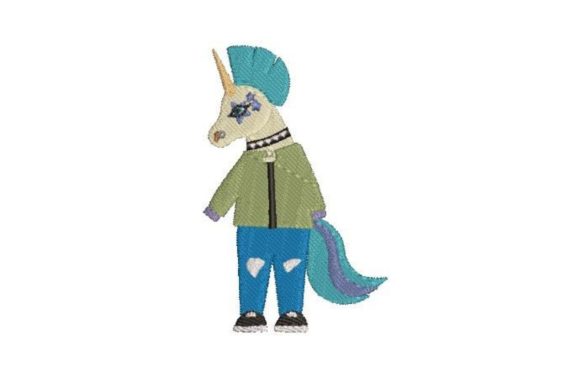
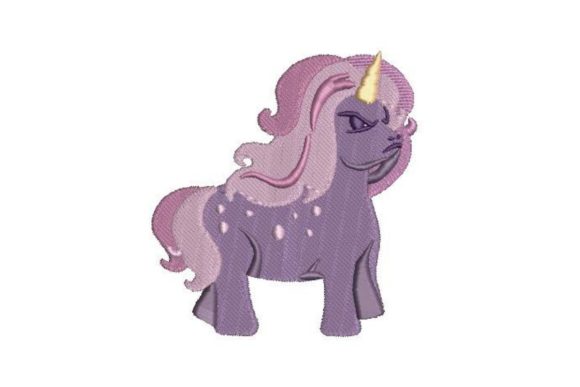
As an experienced embroidery designer who has spent countless weekends setting up booths at craft fairs and handmade markets, I know that not every design translates well from a digital screen to a physical product. Today, I am reviewing the Annoyed Unicorn, a machine embroidery design that falls under the Fairy Tales category but carries a distinctly modern, relatable twist. The concept is simple yet powerful: this unicorn is perfect to reflect how sometimes even if you feel unique and magic like a unicorn you can still get annoyed or frustrated. This embroidery will be perfect for unicorn lovers, but does it work as a profitable craft fair product? Let's dive into the practicalities of turning this digital file into a best-selling handmade item.
First Impressions: Bold, Relatable, and Market-Ready
When I first load the Annoyed Unicorn onto my digitizing software, the immediate impression is one of playful rebellion. Unlike traditional, serene unicorns often found in nursery collections, this design leans into humor and personality. It feels bold and funny rather than soft or purely decorative. For the Etsy seller or boutique maker, this distinction is crucial. In a sea of pastel clouds and rainbows, a character expressing frustration stands out. It taps into a specific emotional niche where customers see themselves in the design. The aesthetic is modern and slightly edgy, making it versatile enough for both farmhouse-style aprons and contemporary tote bags.
The visual appeal of the Annoyed Unicorn lies in its expression. If the stitch density allows the eyes and mouth to convey genuine annoyance without looking messy, this design becomes a conversation starter. At a busy market booth, people stop for items that make them smile or nod in recognition. This design promises to do exactly that, offering a moment of shared humanity (or equinity) between the buyer and the creator.
Product Placement: Where Does It Shine?
Not all designs work on all substrates. When planning my table display for the weekend, I evaluate which products give the Annoyed Unicorn the best chance to sell. Here is how I would deploy this embroidery file across different handmade products:
- Tote Bags: This is likely the strongest candidate for a tote bag design. The flat surface allows the full expression to land clearly. A sturdy canvas tote with this design appeals to the shopper who wants to carry their groceries while making a statement about their mood.
- Apron Embroidery: Kitchen wear is a staple for craft fairs. Placing the Annoyed Unicorn on the bib of an apron creates a humorous narrative for anyone dealing with chaotic cooking or messy kitchens. It transforms a utilitarian item into a giftable piece of art.
- Tea Towel Embroidery: While tea towels are popular, the texture can be tricky. If the towel fabric is too thick or textured, the fine details of the unicorn's expression might get lost. However, on a high-quality linen blend, this could be a charming addition to a kitchen collection.
- Embroidered Patches: For those who want to add the design to existing jackets or backpacks, creating patches is a smart move. It reduces production time per unit and allows customers to customize their own gear. Just ensure the backing is strong enough to handle the stress of washing.
- Caps and Small Pouches: These require caution. Curved cap surfaces can distort the design, and small pouches may not offer enough space for the full character. If used here, the design must be scaled carefully to avoid losing clarity.
- Pillow Covers: A large-scale version of the Annoyed Unicorn on a throw pillow cover makes for a great home decor item. It adds a pop of personality to a living room or bedroom, fitting well within the Fairy Tales theme but with a grown-up twist.
Production Realities: Stitch Density and Fabric Choices
Before committing to batch production for a commercial embroidery run, I always test the design on scrap fabric. The Annoyed Unicorn presents specific challenges regarding stitch density and detail. Because the emotion relies on facial features, tiny details are critical. If the thread colors are not chosen correctly, the annoyance could look like confusion or sadness.
I recommend checking the following technical aspects before producing your finished product:
- Stitch Density: Ensure the dense stitch areas around the horn and mane do not pucker the fabric. Too much density can cause the material to bunch up, ruining the professional look of the handmade product.
- Fabric Texture: Thick fabrics like heavy denim or textured towels can swallow fine lines. Test the design on the exact fabric you intend to sell. If the texture is too pronounced, consider simplifying the design or using a larger hoop size to maintain definition.
- Thread Contrast: The expression needs to pop. Avoid low-contrast thread colors against the background fabric. High contrast ensures the design is readable from a distance, which is vital for booth displays.
- Stabilizer Selection: Use the right stabilizer to support the design. Without adequate backing, the stitches may shift, especially on stretchy materials like jersey or knit caps.
- Hoop Size: Confirm the hoop size required by the embroidery file. If the design is too large for a standard 5x7 hoop, you may need to adjust your production workflow or split the design, which adds complexity.
Selling Strategy: From Booth Display to Online Listings
The success of the Annoyed Unicorn depends heavily on how it is presented. For a craft fair product, the booth display strength comes from variety. Show the design on a tote bag next to an apron and a patch. This demonstrates versatility to the customer. Create at least one real mockup for each product type to show potential buyers exactly what they are getting. Digital sellers should also create printable mockups for their Etsy listings to visualize the design on various backgrounds.
Photography is key for online sales. The design must photograph well, capturing the nuance of the "annoyed" expression. Poor lighting can flatten the image, making the unicorn look generic. Good lighting highlights the texture of the thread and the quality of the stitching, increasing the perceived value of the handmade product.
For the creative entrepreneur, brand consistency is also important. Does the Annoyed Unicorn fit your shop's overall vibe? If your brand is strictly elegant and minimal, this might clash. However, if your brand embraces humor, whimsy, and the imperfect moments of life, this design strengthens your identity. It invites buyer engagement because it speaks a language everyone understands: the feeling of being done with nonsense.
Final Designer Notes and Licensing
Before you start stitching, there are a few final checks to ensure a smooth operation. Always confirm commercial licensing before selling finished products. Even if you love the design, you cannot legally sell items made from it without the proper rights. Check the terms of the digital embroidery file you purchased.
Also, remember that small lettering or text accompanying the unicorn can become illegible if scaled down too far. Keep any text large and simple. Finally, compare fabric colors thoroughly. What looks good on a white swatch might disappear on a cream or light gray background. Test, test, and test again.
In conclusion, the Annoyed Unicorn is a strong contender for the modern craft market. It bridges the gap between the magical world of Fairy Tales and the very real emotions of everyday life. With careful attention to production details and strategic product placement, this machine embroidery design can become a standout seller in your shop, appealing to unicorn lovers everywhere who just need a little bit of magic—and a lot of attitude—in their day.